#HAMSA
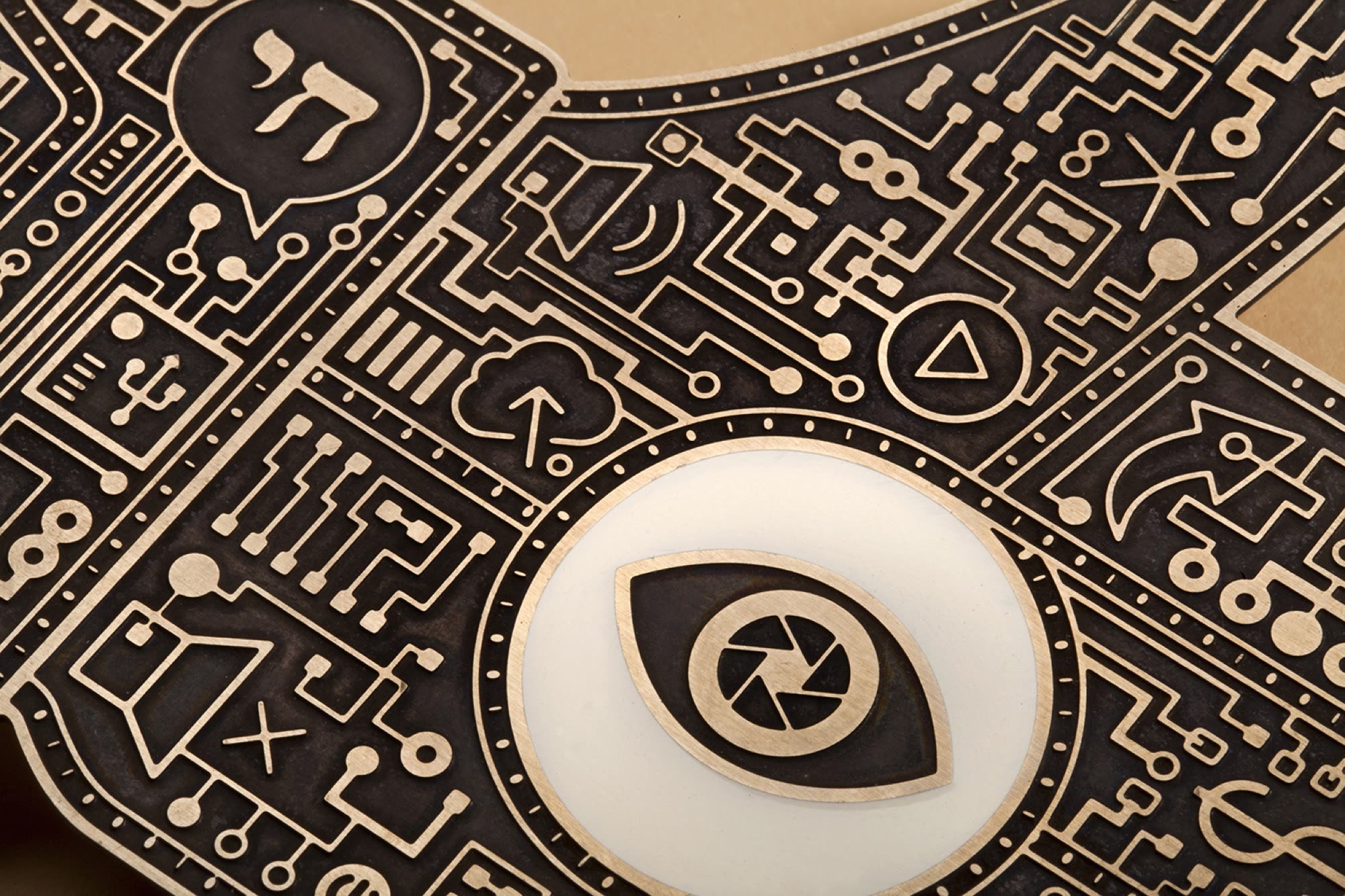
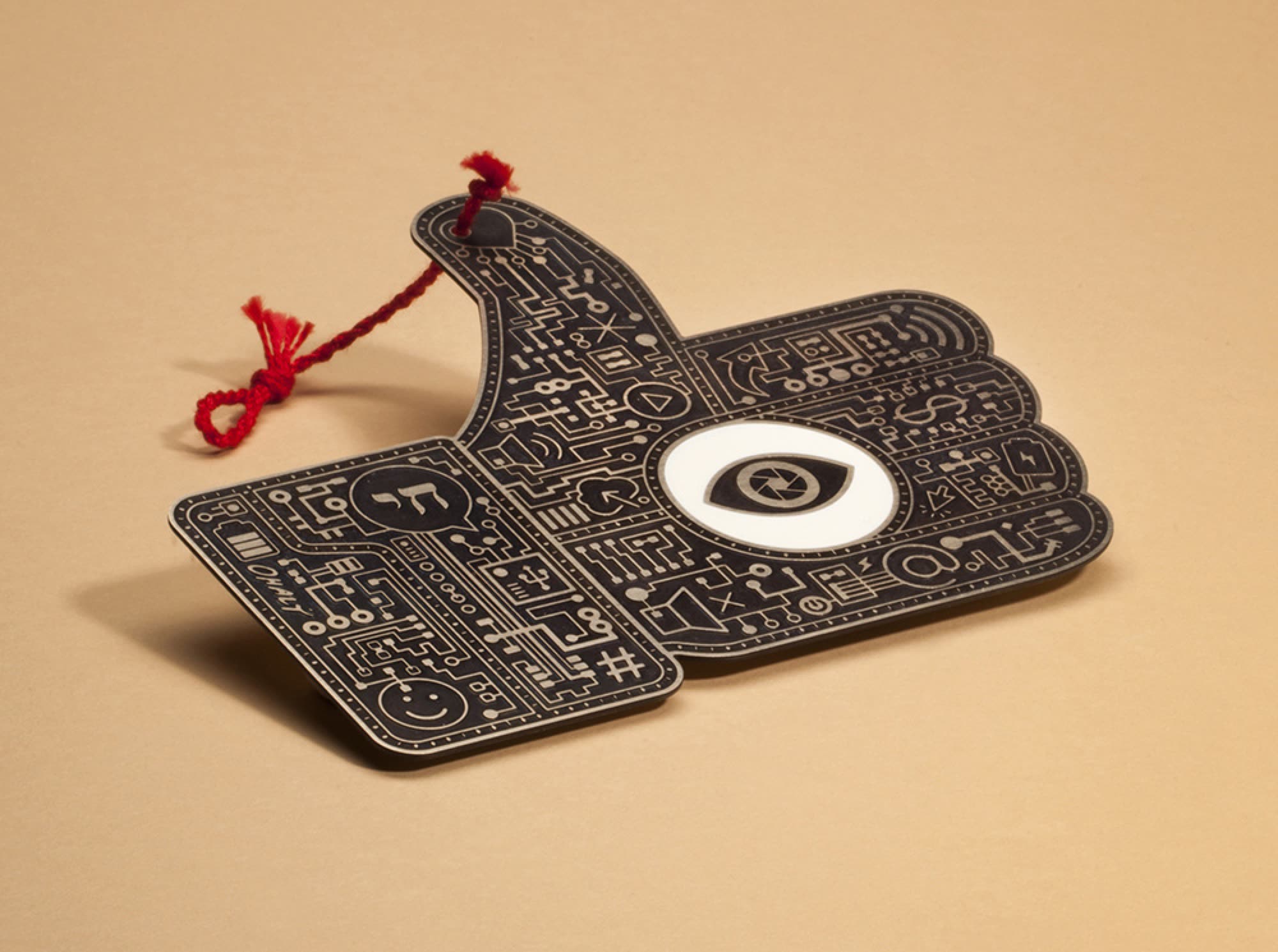
The Hamsa, is a palm-shaped talisman which is used as a sign of protection, it is believed to bring its owner happiness, health, power, strength and good fortune. The hamsa meaning has a variety of interpretations, depending on the culture, hamsa (Arabic) or hamesh (Hebrew) means "five" and refer to the five fingers of the hand. The hand is usually decorated with various meaningful words or symbols, such as the eye, which related to warding off the evil eye, the fish is a symbol of good luck and blessing for abundance and fertility, and flowers are blessing for growth.
Although the hamsa is an old symbol, it is still very popular throughout the Middle East and North Africa, and it is widely present in the daily life.
The intangible mystical world of faith and the unknown, is facing a popular culture characterised by hyper-stimulation and Instant gratification. out of this contemporary culture a new powerful hand symbol emerged. The “LIKE”, the thumbs up icon, is one of the most dominant and useable hand icons today. Recent studies show, that when users receive a “like", the chemical dopamine is released in the brain in the same reward pathway that is stimulated when we eat delicious food, have sex, or use cocaine. The “Like" has a strong and wide influence on the lives of its users, it can make you feel happier, stronger, more confident and loved.
Combining these two strong hand icons together, create an interesting encounter between cultures, believes and values which questions our life today.
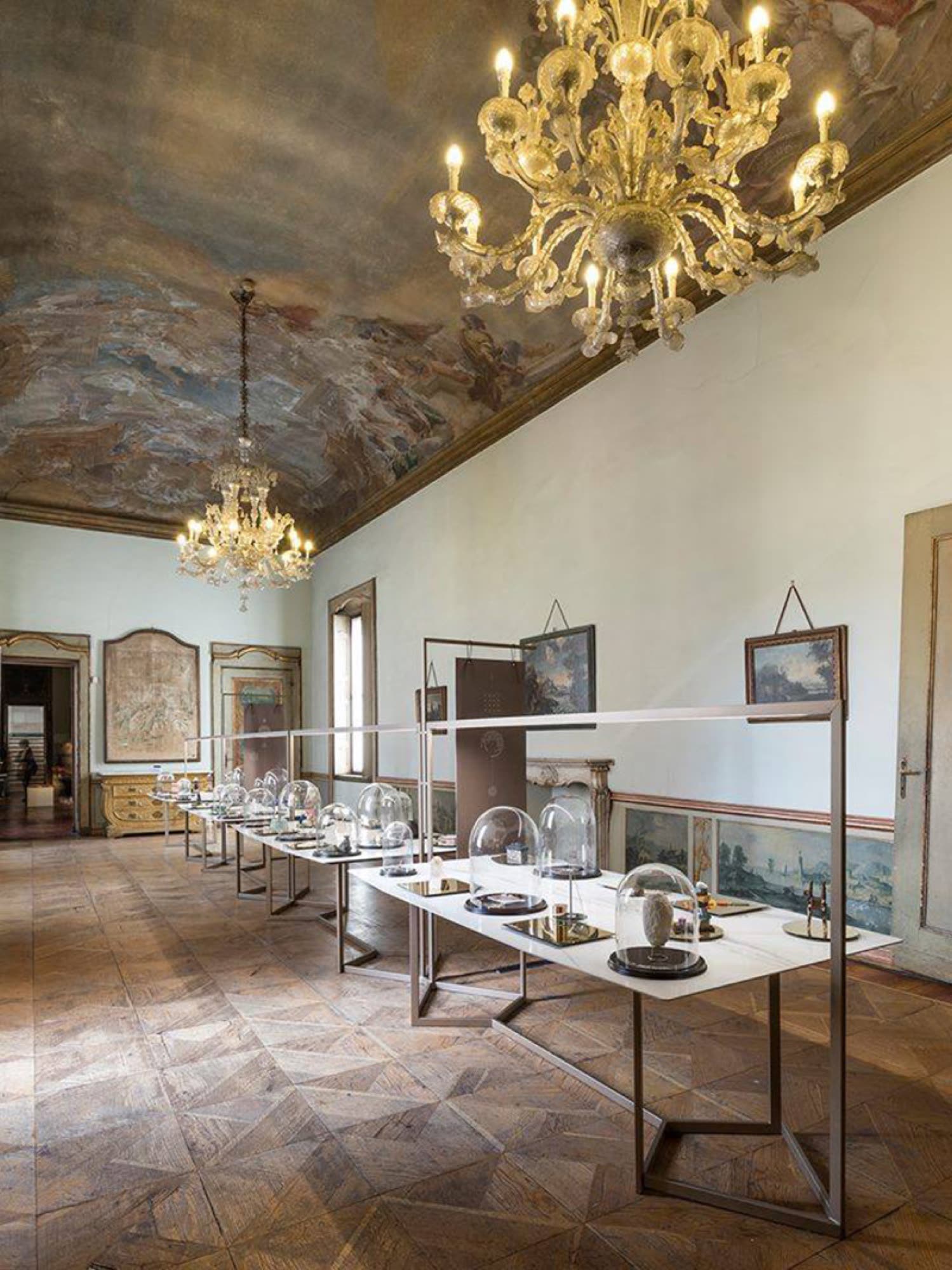
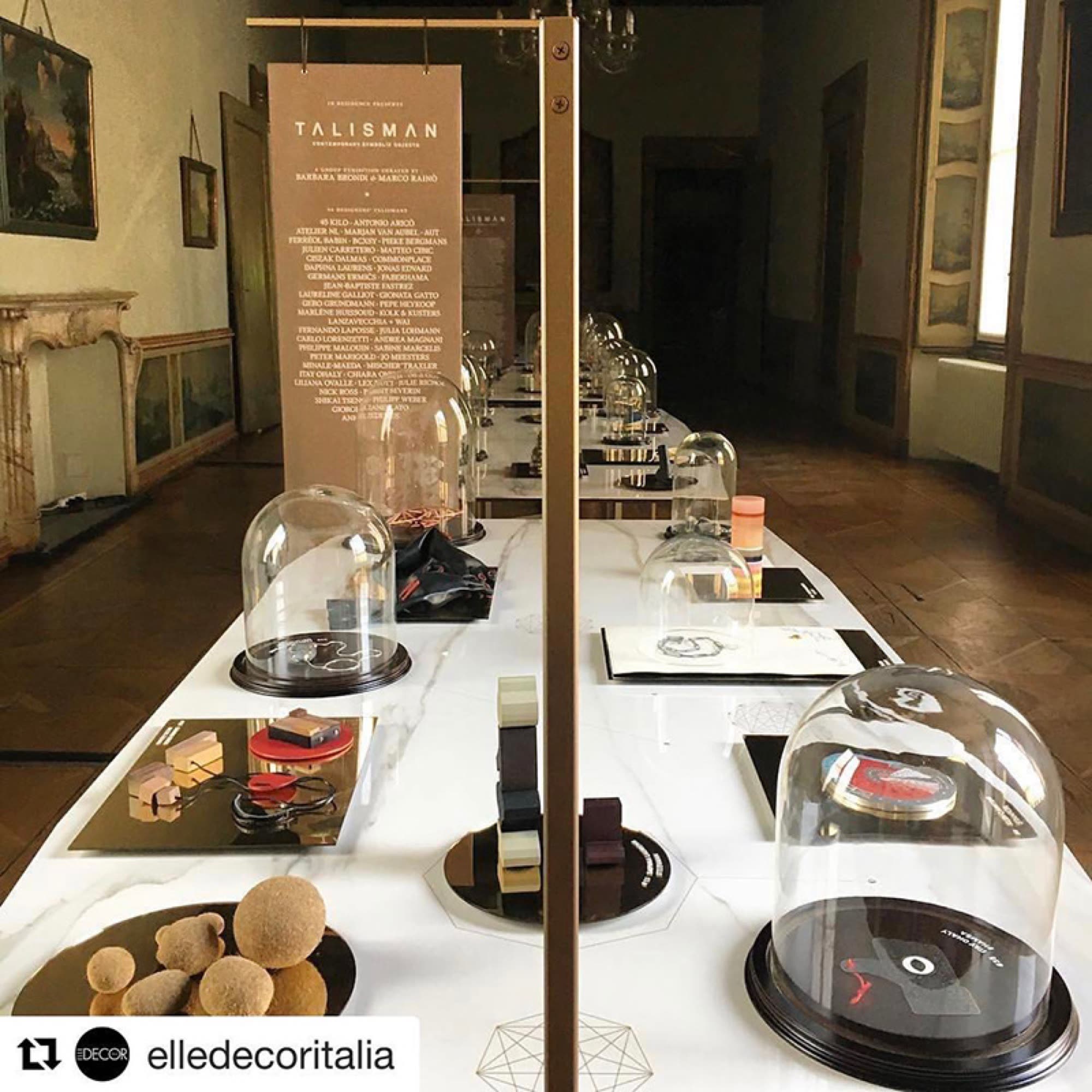
The #HAMSA was created for the TALISMAN — Contemporary Symbolic Objects, a group exhibition by IN Residence — a cultural project initiated and curated by Barbara Brondi & Marco Rainò
April 2017